The Happiest Place on Earth (Now Subject to UAE Law)
By: Abarna Kamalakumaran
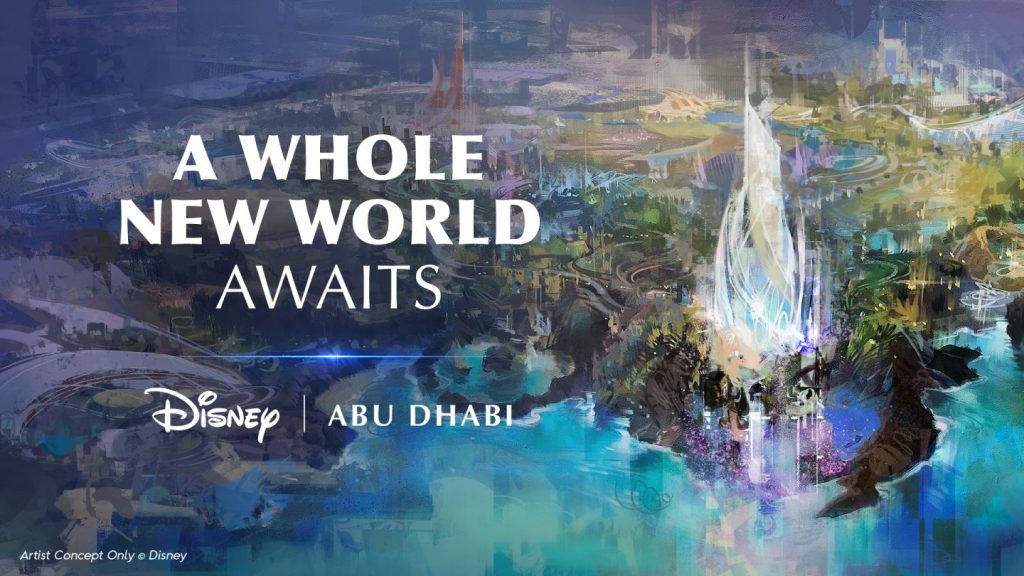
This seventh Disney theme park resort will be located on Yas Island and combine Disney’s iconic stories, characters and attractions with Abu Dhabi’s vibrant culture, stunning shorelines, and breathtaking architecture.
In this spit, I break down the legal framework underpinning Disneyland Abu Dhabi. I begin by analyzing the corporate structure and licensing agreements that define Disney’s partnership with UAE-based developer Miral, followed by a closer look at intellectual property protections and how Disney safeguards its global brand in new jurisdictions. From there, I examine a lawyer’s professional obligations in the UAE context — especially when advising on projects that intersect with local sensitivities. Cultural compliance and legal due diligence come into sharp focus as we assess how Disney navigates public decency laws, religious norms, and shifting global expectations. Finally, I consider labour law compliance and workforce protections, with particular attention to the UAE’s migrant labour system and the legal responsibilities of all stakeholders in upholding fair and ethical employment standards.
1. Corporate Structure & Licensing Agreement
Who is Miral, and what is their legal relationship with Disney?
Miral, a UAE-based real estate and development company owned by Abu Dhabi’s sovereign interests, is the lead developer, funder, and operator of the upcoming Disneyland Abu Dhabi. Rather than setting up a wholly owned subsidiary, Disney has opted for a licensing model, in which it provides its intellectual property, creative vision, and operational standards, while Miral owns and operates the park. This structure mirrors Disney’s approach in Tokyo, where the park is owned by a third party but operates under Disney’s strict brand guidelines.
In this arrangement:
- Disney earns royalty fees and consulting income, without taking on the full financial or regulatory risks of on-the-ground development.
- Miral retains ownership of the physical park and associated assets, while adhering to Disney’s operational blueprint and brand management standards.
This legal structure offers Disney the benefits of market expansion and brand exposure in the Middle East, while Miral leverages Disney’s global appeal to boost regional tourism and cultural investment.
While Disney’s involvement in the Abu Dhabi park does not include direct ownership, relying instead on a licensing agreement with UAE-based developer Miral – the 2021 reform to the UAE’s Commercial Companies Law is still worth noting. By allowing 100% foreign ownership of onshore companies, including those in the entertainment sector, the UAE signalled a broader legal openness to international investment. Although Disney did not exercise this route in the current project, the more permissive legal landscape likely helped facilitate a deal structure where Disney felt comfortable extending its intellectual property and operational blueprint to a local partner—without holding equity. [1]
This policy shift marked a decisive move away from the traditional requirement of Emirati majority ownership (previously set at 51%), giving companies like The Walt Disney Company a new legal pathway to deepen their presence in the UAE without relying solely on complex sponsorship or free zone structures. However, despite the new legal flexibility, foreign corporations still often choose to partner with established local entities – especially when the success of a major project depends on regional expertise, access to government relationships, and cultural fluency. And that’s precisely where Miral enters the picture. [2]
Intellectual Property (IP) & Branding Protections:
What licensing or franchising protections are included?
Unlike a traditional franchise where a third party operates under strict contractual terms and pays ongoing fees for using the brand, this deal is structured as a license – where Disney retains ownership of all IP and grants Miral the rights to use its trademarks, characters, and creative assets under highly specific terms.
Tokyo Disneyland was Disney’s first international theme park, developed through a licensing agreement with Japan’s Oriental Land Company (OLC), a partnership between Mitsui Real Estate and Keisei Electric Railway. In the 1970s, amid financial struggles, Disney accepted OLC’s offer: The Oriental Land Company would own and operate the Tokyo Disneyland while the Walt Disney Company would receive “10 percent of admissions fees and 5 percent of the revenues from food and souvenir sales” (Raz, 1999, p. 27). The Walt Disney Company also received licensing fees up to 20 million dollars for their characters, attractions, and more, as well as control over the design of the park and control of park operations (Raz, 1999, p. 27; Eisner & Schwartz, 1998, p.263). The Disneyland Abu Dhabi project follows a licensing model that mirrors Disney’s earlier international expansion into Japan with Tokyo Disneyland.
2. Lawyer’s Responsibility in the UAE
(a) Cultural Compliance and Legal Due Diligence:
Will Disney have to modify shows, costumes, or content to comply with UAE cultural laws?
Yes, almost certainly. Based on past regional experiences (e.g. films edited for Gulf audiences), Disney’s live shows, costumes, and possibly even ride narratives may be adjusted.
As part of performing due diligence in advising multinational clients like Disney, legal professionals must ensure that any proposed content or operations comply not only with contractual terms but also with the host country’s cultural norms and statutory obligations. While the UAE is positioning itself as the Middle East’s entertainment hub, this openness exists alongside strict cultural and legal boundaries, particularly regarding public decency, gender representation, and religious values. [3] For example, the UAE officially banned Lightyear in June 2022, citing violations of national media content standards. The film featured a same-sex kiss between two female characters, a scene that led to widespread bans across Gulf countries. This wasn’t an isolated case. Other Disney and Marvel titles such as Onward, Eternals, Doctor Strange in the Multiverse of Madness, and West Side Story were similarly restricted or pulled from distribution in the region due to LGBTQ representation. [4]
Thus, legal counsel must proactively advise companies like Disney on tailoring shows, costumes, and content in a way that respects local laws while maintaining brand integrity. This includes reviewing licensing terms, revising entertainment programming, and implementing preemptive content adjustments before launch. Failing to do so could result in both reputational harm and legal liability.
(b) Labour Law Compliance and Workforce Protections:
Beyond legal compliance, companies operating in the UAE must also consider the reputational and ethical risks associated with labour practices, especially in sectors that have historically relied on migrant workers.
While compliance with local decency laws may dominate headlines, a more enduring legal and ethical concern in the UAE’s entertainment and construction industries is the treatment of migrant workers. Despite the existence of formal labor laws, their enforcement has been inconsistent, leaving room for systemic exploitation. The Guggenheim Abu Dhabi project became a flashpoint in 2011 when over 130 international artists called for a boycott, citing reports of unpaid wages, unsafe conditions, and the confiscation of workers’ passports. [5] Similar issues resurfaced ahead of Expo 2020, when the European Parliament passed a resolution condemning the UAE’s human rights record, urging sponsors to withdraw and highlighting forced long hours, untranslated contracts, and unsanitary living quarters.[6] Investigations have revealed that many workers, especially those recruited from abroad, were burdened with illegal recruitment fees – often with employers’ knowledge and were rarely reimbursed. [7] Though some reforms followed, including third-party monitoring and commitments to better housing, critics argue these steps fall short.
Human Rights Watch and others have warned that large-scale cultural or entertainment projects in the UAE risk whitewashing abuses unless companies involved actively push for meaningful labor protections.
[1] https://uaelegislation.gov.ae/en/legislations/1542
[2] https://lupicinio.com/en/uae-removes-the-need-for-majority-emirati-shareholder/
[5] https://uaelegislation.gov.ae/en/legislations/1529
[6] https://www.hrw.org/world-report/2024/country-chapters/united-arab-emirates
 Legally Spitting